Suhoor Lettering Script Ramadan
A Seasonal Designer’s First Look: Warm, Reverent, and Ready for Gifting
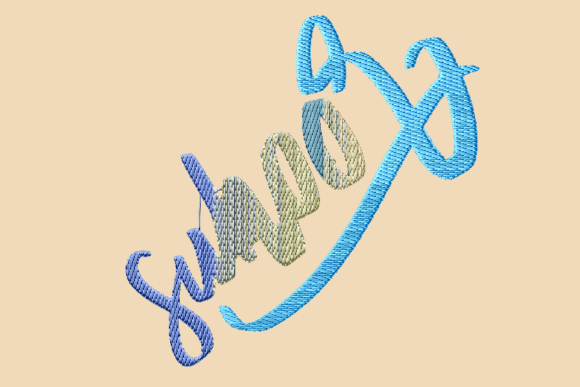
As an embroidery designer who’s built seasonal collections for over a decade—from Eid to Christmas to Diwali—I opened Suhoor Lettering Script Ramadan expecting elegance. What I found was something deeper: a quiet confidence in its line work, a gentle rhythm in the script flow, and a spiritual warmth that avoids cliché. This isn’t flashy or overly ornate—it’s reverent, modern, and deeply wearable. The lettering balances delicate curves with grounded weight, making it feel both intimate and intentional. It reads as elegant and premium—not cute or playful—but still approachable for families, young professionals, and interfaith households seeking meaningful holiday embroidery.
Where It Shines: Real-World Holiday Product Applications
Suhoor Lettering Script Ramadan thrives where intention meets utility. On heavyweight cotton sweatshirts? Yes—its clean lines hold up beautifully at 3.5–4 inches wide. On linen kitchen towels? Absolutely—the script’s spacing allows breathability between letters, preventing thread crowding on absorbent fabric. As a tote bag design, it anchors the front panel without overwhelming; on pillow covers or aprons, it adds quiet sophistication rather than visual noise. For embroidered patches or baby onesies, it scales well down to 2.75 inches when digitized with appropriate stitch density—ideal for small shop product bundles like “Ramadan Morning Sets” (towel + patch + mini journal).
Etsy sellers will appreciate how naturally Suhoor Lettering Script Ramadan supports storytelling in listings: pair it with soft gold or deep indigo thread colors, describe the pre-dawn calm it evokes, and highlight its versatility across apparel, home, and personalized gift categories. On craft fair displays, it stands out beside bolder calligraphy—it invites closer looking, not instant scrolling. And for social media previews? Its legibility at thumbnail size makes it highly shareable in Reels and Pinterest mockups.
Smart Pairings for Holiday Bundles & Limited Editions
This design excels in cohesion. Use Suhoor Lettering Script Ramadan as the anchor for a limited-run collection: match it with minimalist crescent motifs, subtle geometric borders, or coordinating monochrome thread palettes (e.g., charcoal gray on oatmeal linen, sage green on ivory cotton). It works seamlessly in family matching items—think adult sweatshirts, kids’ tees, and toddler bibs—all sharing the same script tone but varying subtly in scale and placement. As part of a handmade gift bundle (kitchen towel + embroidered tea towel pouch + recipe card sleeve), it elevates perceived value without requiring complex layering. For printable mockup use, its clean vector-friendly structure renders crisply across digital assets—no pixelation in Etsy banners or Instagram story templates.
Use With Care: Practical Embroidery Considerations
While graceful, Suhoor Lettering Script Ramadan demands thoughtful execution. Avoid using it below 2.25 inches on high-density fabrics like thick terry cloth kitchen towels—fine strokes may fill in or lose definition. On dark fabric, test thread colors thoroughly: matte black or deep navy can read flat; consider heathered charcoal or warm espresso for dimension. Metallic thread is possible but risky—its stiffness can distort fine curves unless stabilizer and tension are precisely calibrated. Steer clear of curved caps or stretchy knits unless you’re using cutaway stabilizer and reducing stitch density by 10–15%.
Also note: very tight hoop sizes (under 4" x 4") may require repositioning mid-stitch for longer phrases—check your machine’s auto-trim settings. And always confirm commercial licensing before selling finished products featuring Suhoor Lettering Script Ramadan, especially for wholesale or subscription box use.
Why It Builds Trust & Drives Holiday Sales
Holiday shoppers don’t just buy designs—they buy feeling, reliability, and resonance. Suhoor Lettering Script Ramadan delivers all three. Its restrained beauty signals care and cultural awareness—not appropriation. That builds customer trust, especially among Muslim buyers seeking authentic, tasteful seasonal embroidery. Visually, it’s instantly recognizable across product types, reinforcing brand consistency for small shops launching their first Ramadan collection. Emotionally, it taps into nostalgia for quiet mornings, shared meals, and spiritual preparation—making it highly giftable for teachers, new parents, or hosts preparing for iftar gatherings.
For apparel decorators and handmade gift makers, this design increases perceived product value: a simple cotton apron becomes a cherished heirloom item when stitched with Suhoor Lettering Script Ramadan. And because it’s adaptable—not tied to one trend or aesthetic—it remains relevant across multiple seasons and buyer demographics.
Designer Notes You Can’t Skip
- Test thread colors on both light and dark fabric—especially satin or rayon blends, where sheen shifts perception.
- Check stitch density before production runs; dense fills near terminals may need slight underlay adjustment on textured weaves.
- Confirm hoop size compatibility with your primary machines—some versions may extend beyond standard 5" x 7" boundaries.
- Use appropriate stabilizer: medium-weight cutaway for knits, tear-away for stable wovens, and water-soluble for sheer overlays.
- Create realistic mockups—not just flat white backgrounds. Show it on oatmeal linen, heather grey fleece, and unbleached cotton for Etsy SEO clarity.
- Review small details post-stitch: check for stray thread ends near ascenders and descenders, especially on satin-stitched flourishes.
- Plan matching color palettes early: choose 3–4 thread colors that harmonize across product types (e.g., for a sweatshirt + towel + patch set).
- Verify commercial licensing before listing finished goods—this is non-negotiable for seasonal embroidery sellers.