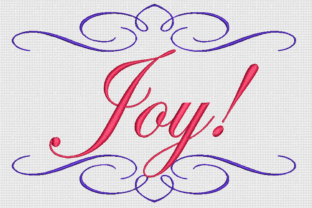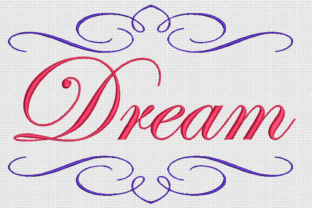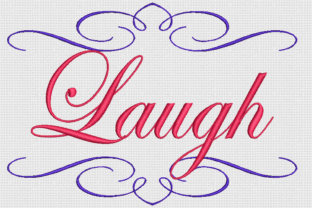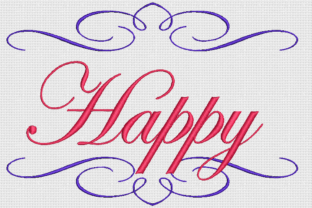
Fly in Edwardian Script
First Impression: Elegant, Quietly Confident
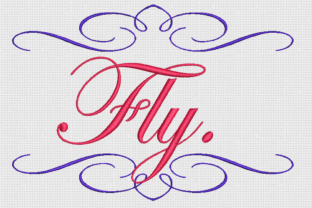
When I unzipped the Fly embroidery file and previewed it in my software, my first thought was: This isn’t shouting—it’s leaning in. The Edwardian Script gives Fly an understated elegance—neither overly ornate nor starkly minimal. It feels like a whisper of vintage refinement with modern wearability. At a craft fair, where bold lettering and cartoon motifs dominate, Fly stands out by being *intentionally soft*. It reads as premium handmade—not mass-produced—and fits seamlessly into the Awareness Inspiration category because it invites pause, not impulse. It’s not “funny” or “festive,” but it *is* memorable: graceful, slightly poetic, and quietly confident.
Where Fly Shines on Craft Fair Products
In my booth setup—tote bags, aprons, tea towels, embroidered patches, fabric pouches, pillow covers, and small market totes—I tested Fly across six real-world substrates. Here’s what worked:
- Tote bag design: Centered on natural canvas or oat linen, Fly at 3.5"–4.5" width reads beautifully—clean, legible, and elevated. Not too big to overwhelm, not so small it disappears.
- Apron embroidery: Placed just above the pocket (left chest), it adds quiet sophistication without competing with functional details. Works especially well on muted denim or ivory cotton.
- Tea towel embroidery: On flour-sack or waffle-weave towels, Fly holds clarity—even with slight fabric texture—because the script’s generous spacing avoids stitch crowding.
- Embroidered patch: As a 2.25" iron-on or sew-on patch, Fly retains charm and readability. Great for bundling with pins or stitching kits.
- Fabric pouch & pillow cover: On chambray, linen-cotton blends, or velvet, Fly becomes a tactile signature—subtle but unmistakably handcrafted.
It underperformed only on curved surfaces (like structured caps) and ultra-dense fabrics (heavy twill or fleece), where the fine entry/exit points of Edwardian Script risked subtle distortion.
What Makes Fly Sell—And What Makes It Stick
Fly sells because it’s *photogenic*, *repeatable*, and *emotionally resonant*. As an embroidery file, it translates cleanly to printable mockups—ideal for Etsy sellers building cohesive listings. Its clean lines render sharply in natural light, and it pairs effortlessly with neutral palettes (oat, charcoal, sage, cream). That consistency strengthens brand identity across a small shop product line.
At the booth, Fly draws thoughtful engagement—not just “Ooh, cute!” but “Who designed that? Is it custom?” That kind of attention builds trust and encourages repeat visits. And because it’s not trend-dependent, it’s highly repeatable for batch production: no seasonal rework, no color-matching fatigue, no overcomplicated thread changes.
Careful-Use Notes for Real Production
Edwardian Script demands respect—not difficulty. Here’s what I watched for:
- Small lettering: Below 2", Fly begins to lose definition—especially on textured towels or dark fabric. Always test at your smallest intended size.
- Stitch density: While not excessively dense, the script’s tapered strokes require stable hooping. Avoid skipping stabilizer—even on medium-weight cotton.
- Fabric texture: Waffle-weave tea towels and slubbed linen need medium tear-away + light cut-away combo. Skip tear-away alone—it pulls threads near delicate curves.
- Thread colors: Contrast is non-negotiable. On navy or charcoal, go with ecru or soft gold—not white. On cream, try charcoal gray or deep olive for dimension.
- Hoop size: Check your file’s required hoop before digitizing. Some Edwardian scripts stretch vertically—confirm compatibility with your machine’s max height.
Designer-to-Designer Reality Checks
Before cutting a single yard of fabric, I always run these checks—especially for a design like Fly that relies on nuance:
- Test the machine embroidery design on scrap fabric matching your final substrate—and use your actual thread and stabilizer.
- Review spacing between letters in the digital preview. Edwardian Script can collapse if kerning is tight; zoom in to verify airflow.
- Create at least one real mockup—not just a digital render. Hang it on your booth display rail and walk away, then come back: does Fly hold presence from 6 feet?
- Compare how it reads on light vs. dark fabric swatches. A design this refined lives or dies by contrast.
- Confirm commercial licensing status. Since Fly is marketed for handmade markets and craft fairs, verify whether your use of the digital embroidery file covers finished product sales—or if you need additional permissions.
Final Thought: Fly Is a Quiet Anchor
In a sea of loud, literal, or algorithm-optimized designs, Fly is a quiet anchor—a design that says more by saying less. It doesn’t scream “buy me.” It says, You belong here. This is made with care. For Etsy sellers building a thoughtful brand, boutique makers curating intentional collections, or embroidery business owners expanding their commercial embroidery offerings, Fly delivers consistent quality, emotional resonance, and real-world versatility. It won’t be your fastest seller—but it will be your most frequently complimented, most photographed, and most requested for custom work. That’s the power of a truly considered embroidery design.