Happy
First Impression: Elegant, Uplifting, and Instantly Recognizable
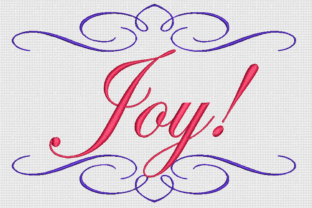
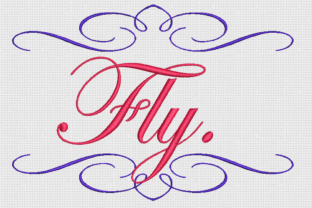
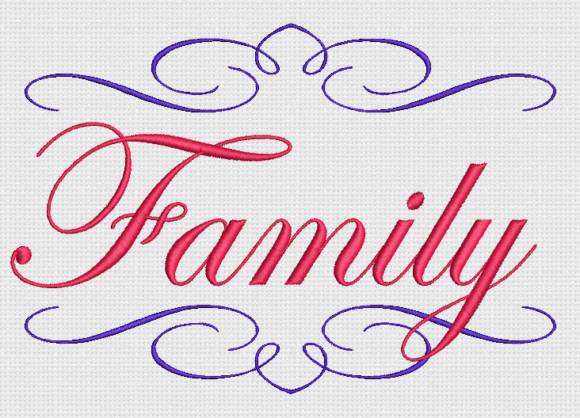
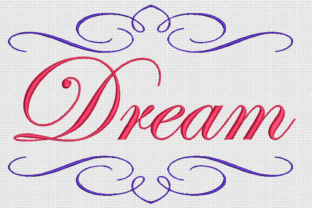
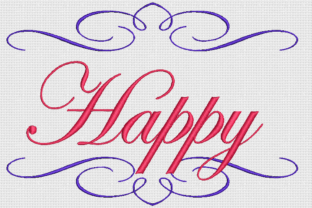
As an embroidery designer who’s prepped over 200 craft fair booths—and shipped thousands of finished products—I opened Happy with one question: *Does this stop someone mid-aisle?* Yes. The Edwardian Script gives Happy a soft elegance—neither cutesy nor clinical—but warm, intentional, and quietly confident. It lands in that rare sweet spot for Awareness Inspiration: emotionally resonant without being prescriptive, decorative without sacrificing legibility. Customers don’t read it and think “vintage”; they feel uplifted, then pause to touch the fabric. That’s booth magic.
Where Happy Shines on Craft Fair Products
Happy isn’t just versatile—it’s strategically magnetic across high-traffic handmade items:
- Tote bag design: Centered on natural canvas or linen, Happy reads cleanly at 4.5–6 inches wide. Its graceful curves soften the tote’s structure while adding premium handmade appeal—ideal for shoppers seeking “thoughtful, not trendy.”
- Apron embroidery: Placed just above the pocket or centered on the bib, Happy feels personal and inviting—perfect for kitchen boutiques or farm-to-table markets. Pair it with ecru thread on oatmeal linen for instant cohesion.
- Tea towel embroidery: Here, Happy earns its keep. On tightly woven cotton or bamboo blends, the script flows like ink on paper. It photographs beautifully for Etsy listings and reads clearly even when folded on a shelf.
- Embroidered patch: At 2.75–3.25 inches, Happy holds detail without overcrowding. Great for iron-on or sew-on applications on denim jackets, market bags, or kids’ backpacks—especially when backed with lightweight fusible stabilizer.
- Pillow cover & small pouch: As a focal point on 12”–16” square covers or zippered linen pouches, Happy adds quiet luxury. Its rhythm invites slow looking—exactly what draws buyers to curated handmade goods.
What Works—and What Requires Careful Use
Happy performs strongly *because* it avoids visual clutter—but that also means attention to execution is non-negotiable:
- Dense stitch areas: The swashes and tapered terminals carry moderate stitch density. On thick fabrics (like duck canvas or quilted aprons), use medium-weight cutaway stabilizer—not tear-away—to prevent puckering.
- Small lettering clarity: While legible at 3”, avoid scaling Happy below 2.5” on textured towels or looped terry. The fine entry/exit strokes can blur; test first on scrap fabric matching your final substrate.
- Curved surfaces: For caps or curved market bag handles, reduce size slightly (to ~3.75”) and adjust placement toward the flatter front panel. Avoid the crown seam unless you’ve confirmed hoop compatibility and digitizing flexibility.
- Dark fabric & thread contrast: Edwardian Script relies on line weight and flow—not boldness. On charcoal or navy, use bright ecru, soft gold, or pale blush thread. Avoid black-on-black or low-contrast combos; they mute the design’s emotional lift.
Selling Smarter: Booth Impact, Online Appeal, and Batch Production
In person, Happy builds booth strength through consistency: display it across three product types (e.g., tea towel + apron + pouch) in the same thread color and scale. That repetition signals intention—not randomness—and tells shoppers, “This maker has a voice.”
For Etsy sellers and digital sellers, Happy excels as a printable mockup anchor. Its clean lines render crisply in lifestyle photos—even on mobile screens—and pair effortlessly with neutral backdrops. Unlike ornate monograms or wordy affirmations, Happy loads fast, converts well, and encourages repeat views.
Batch production? Yes—with caveats. Because Happy is a single-line script (no overlapping fills or dense satin columns), it stitches quickly and reliably across machines. But always confirm hoop size compatibility before loading 50+ files. And never skip the real mockup: one embroidered tea towel, photographed in natural light, tells you more than any software preview.
Designer Notes You Can’t Skip
This isn’t just about stitching—it’s about selling with integrity and confidence:
- Test Happy on scrap fabric *identical* to your production batch—including dye lot and finish.
- Check thread contrast under both daylight and warm indoor lighting—the same lights your craft fair booth will use.
- Review spacing between letters: Edwardian Script thrives on air. If your machine compresses tracking, adjust manually before bulk stitching.
- Confirm hoop size requirements. Some Edwardian digitizations need 5x7” minimum—verify before cutting fabric panels.
- Inspect stitch density visually—not just in software. Dense terminals may require reduced top tension on older machines.
- Use the right stabilizer: cutaway for stretchy knits or heavy linens; tear-away for stable wovens like quilting cotton.
- Create at least one finished product mockup—photographed in context (e.g., Happy on a rolled tea towel beside a ceramic mug).
- Compare fabric colors side-by-side: oatmeal vs. natural vs. unbleached—subtle shifts change how the script “floats.”
- Confirm commercial licensing terms before selling finished products. This machine embroidery design includes multiple embroidery file formats and supports multiple machines—but verify usage rights for your business model.
Final Thought: Why Happy Belongs in Your Next Craft Fair Lineup
Happy doesn’t shout. It smiles—calmly, warmly, authentically. In a sea of busy patterns and loud slogans, it offers breathability and emotional resonance. It elevates a simple tote into a keepsake, turns an apron into a conversation starter, and makes a tea towel feel like a small act of care. For Etsy sellers, boutique makers, and embroidery business owners building a cohesive brand, Happy isn’t just another embroidery file—it’s a quiet differentiator. It fits seamlessly into Awareness Inspiration collections, strengthens handmade product storytelling, and delivers consistent returns across categories. Just remember: its power lies in precision, not padding. Stitch it thoughtfully—and watch customers choose joy, one embroidered piece at a time.