Lucky Pool Balls Embroidery Design
A Playful Yet Polished Branding Asset for Small Businesses
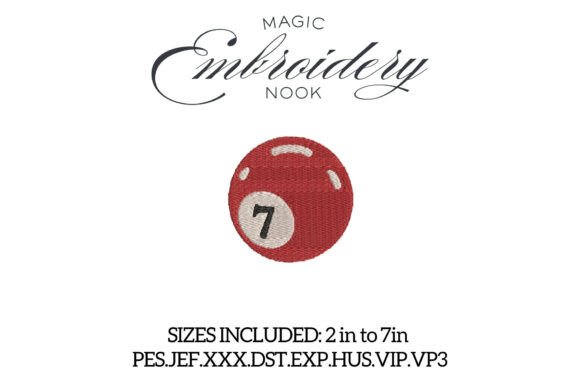
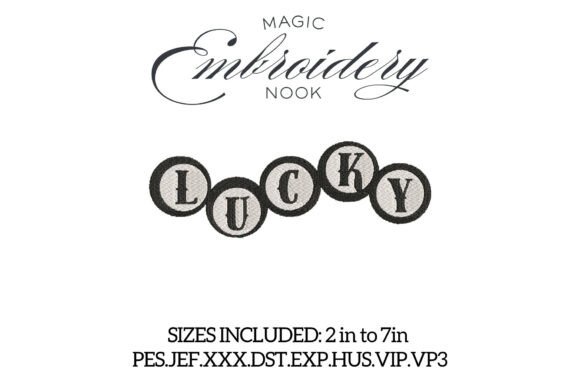
As an embroidery designer who’s developed hundreds of commercial designs for cafés, boutiques, florists, pet brands, and handmade studios, my first impression of the Lucky Pool Balls Embroidery Design is refreshingly balanced: it’s playful without being childish, bold without sacrificing legibility, and thematic without feeling niche or exclusionary. The “Lucky Girl Syndrome” nod adds a lighthearted, confident tone—ideal for businesses that want to signal approachability and personality. It leans into the Games Leisure category with charm, but avoids clichéd pool-table realism. Instead, it offers stylized lettering and symbolic pool ball motifs that translate beautifully across merchandise—not just as decoration, but as intentional brand identity.
Where Lucky Pool Balls Embroidery Design Shines in Real Business Use
This machine embroidery design excels where small businesses need versatility: embroidered patches for aprons and tote bags, chest logos on staff uniforms, sleeve accents on work shirts, front-cap embroidery for team cohesion, and even subtle product packaging accents (think stitched tags on handmade soap boxes or ceramic mugs). A local bakery might use it on linen aprons to hint at fun break-room culture; a creative studio could stitch it onto canvas tote bags handed out at pop-ups. On Etsy, the Lucky Pool Balls Embroidery Design works especially well for crafters selling custom apparel—it reads clearly in digital mockups and photographs crisply on product listings.
Its strength lies in adaptability. Unlike hyper-detailed sports emblems, this embroidery file balances negative space and defined outlines, making it forgiving across fabric types—from cotton twill caps to textured canvas to lightweight linen. As a custom apparel element, it supports visual consistency: whether stitched on a barista’s apron or a florist’s tote, it reinforces a cohesive, human-scaled brand voice. Customers respond to that authenticity—it builds trust faster than generic fonts or stock icons.
Smart Placement Considerations for Professional Results
While versatile, the Lucky Pool Balls Embroidery Design demands thoughtful application. Avoid cramming it into tiny patch sizes (<3 inches wide) unless you’ve tested the lettering clarity—some stylized curves may blur or lose definition under 2.5 inches. Cap fronts are viable, but test curvature distortion: the top arch of the design should remain legible when stretched over a dome. On dark uniforms or heavily textured fabrics (like corduroy or bouclé), confirm thread color contrast—white or neon yellow often lifts better than pastel tones.
Also watch for stitch density. Though not described as ultra-dense, any lettering-based embroidery file with tight kerning benefits from moderate density to avoid puckering on stretchy or thin fabrics. For high-wear items like aprons or work shirts, reinforce with tear-away or cut-away stabilizer, especially around fine outlines. And always verify hoop size compatibility before digitizing—some versions may require a 5x7" hoop minimum.
Design Notes Every Embroidery Shop Should Follow
- Test in black and white first—it reveals spacing issues and unintended optical illusions in thread layers.
- Check small-patch viability by scaling down to 2.25" and reviewing edge sharpness and letter separation.
- Review thread color contrast against your client’s base fabric—especially for dark or heathered textiles.
- Inspect spacing between letters and balls; tight gaps can fill in during stitching, compromising readability.
- Confirm hoop size requirements and digitized format compatibility with your embroidery machines.
- Test on real fabric, not just stabilizer—texture changes how stitches lay and reflect light.
- Create a printable mockup for client approval before production; visuals build confidence and reduce rework.
- Compare beside existing design assets—does it harmonize with your logo, typography, and color palette?
- Verify commercial licensing before using on merchandise sold to end customers—this is non-negotiable for commercial embroidery and small business merch.
How This Design Elevates Your Handmade Product Story
The Lucky Pool Balls Embroidery Design doesn’t just decorate—it communicates. When stitched onto a café’s apron or a pet brand’s bandana, it signals intentionality: your business values wit, craftsmanship, and memorable detail. That perception directly impacts perceived product value and buyer engagement. Customers don’t just buy a tote bag—they buy into a vibe, a story, a sense of shared humor or energy. In crowded markets like Etsy or local artisan fairs, that differentiation matters.
For handmade brands, this digital embroidery file bridges the gap between “craft” and “professional.” It feels personal but polished—never mass-produced, yet never amateurish. That balance strengthens brand identity without requiring a full rebrand. Used consistently across staff uniforms, customer gifts, and event merch, it becomes a quiet anchor—recognizable, repeatable, and resonant.
Final Thought: A Thoughtfully Crafted Tool for Strategic Stitching
The Lucky Pool Balls Embroidery Design is more than a fun Embroidery file—it’s a strategic asset. It meets the functional needs of apron embroidery, cap embroidery, and tote bag design, while delivering emotional resonance for audiences who appreciate clever, confident branding. For embroidery shops and small business owners alike, its success hinges on mindful execution: testing, contrasting, stabilizing, and licensing. When those steps are taken seriously, this design doesn’t just sit on fabric—it starts conversations, builds recognition, and quietly elevates every finished product it touches.